Hooghly: The Remnants of Portuguese Rule
“Take a great adventure to a place, learn its rich history, and make your own observations about it.” - Lailah Gifty Akita
 Every place has a history of its own. Speaking of West Bengal, it is elegantly wrapped in the memories of its glorious past. Every corner of the state reveals a new facet of India’s cultural heritage. Steeped in history and tradition, Hooghly is one such destination that promises an unforgettable experience.
Named after the famous Hooghly River, it is a small district located in West Bengal. Interspersed with several prominent towns, the district stands as a testimony to the foreign settlements that once flourished here. It is also a popular pilgrimage destination, renowned for its ancient holy sites. The main attractions of Hooghly Tourism include churches, mosques, temples, and historical landmarks.
The history of Hooghly reveals that it was a major river port during the 15th century. Vasco da Gama was the first European to reach here, and it became the largest port in Bengal during the Portuguese era. The region also holds the distinction of being the first European settlement in old Bengal.
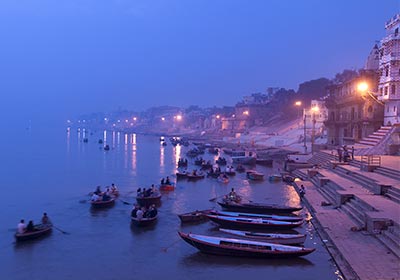
Enjoy a serene ferry ride on the Hooghly River at sunset — watching the glowing horizon, the illuminated Howrah Bridge, and boatmen humming Bengali folk tunes is truly magical.
Following are the main travel attractions of Hooghly:
Taraknath Temple: Located in Tarakeshwar town, this is a major pilgrimage site in West Bengal. The temple is dedicated to Lord Shiva, worshipped here in his incarnation as Taraknath.
The 18th-century temple is presumably one of the oldest in the region. Devotees from across India gather here, especially during Shravan (August), Shivaratri (February), and the Gajan Festival (February–March). It is believed to be one of the twelve sacred abodes of Lord Shiva in India. Shrines of Goddess Kali and Lord Lakshmi-Narayan are also found in the temple complex. Built in typical Bengal architecture, it features a sanctum, a front corridor, and a large assembly hall for devotees.
To the north of the temple lies a sacred water tank called Dudhpukur, meaning “the tank of milk.” Pilgrims believe that a dip in this tank fulfills all their wishes.

Bandel Church: The Basilica of the Holy Rosary, more commonly known as Bandel Church, is one of the oldest churches in West Bengal. A remnant of the Portuguese settlement in Bengal, it was originally built in 1599, destroyed in 1630, and rebuilt in 1660.
Believed to have been designed by Gomez de Soto, the church is dedicated to Mother Mary (Our Lady of the Rosary). The main entrance bears a keystone from the original structure engraved with the year 1559. Inside, the church features three altars, a small organ, tombstones, and a shrine dedicated to the Virgin Mary.
Legend says a Portuguese ship caught in a storm was saved after the captain vowed to offer the ship’s main mast to the first church he saw. That church was Bandel Church — hence the name, derived from “Bandel,” meaning “boat.” The mast of the ship still stands at the church entrance.
Hooghly Imambara: This magnificent two-storey mosque was built in 1861 in Bandel, the birthplace of renowned writer Sarat Chandra Chattopadhyay. Designed by architect Keramatulla Khan, it was constructed in memory of Hazi Muhammad Mohsin, a great philanthropist of Bengal.
The mosque features a grand tower clock with twin dials, a beautiful prayer hall, a rectangular courtyard, and a fountain. Its highlight is the pair of 85-foot-tall twin towers — one for men and one for women — each with 152 steps, offering panoramic views of the Hooghly River. The courtyard is adorned with chandeliers and religious artifacts, and the complex houses the mausoleum of Hazi Muhammad Mohsin and his family. The clock of the imambara still chimes every quarter hour, echoing the town’s historic charm.
Hanseswari Temple: Declared a heritage site by the Archaeological Survey of India, this temple is located in Bansberia. Dedicated to Goddess Hanseswari, a form of Goddess Kali, the idol is blue in color and carved from Neem wood.
The temple is built on Tantric architectural principles and features six floors crowned with 13 lotus-bud-shaped minarets, each about 90 feet tall. The central minar bears an idol of the rising Sun God with a thousand rays.
According to history, King Narasimha Deva Rai of Bansberia, during his stay in Varanasi, learned about the six cyclic centers of the human body and envisioned a temple based on these yogic concepts. Artisans from across India were invited to construct it. After the king’s death in 1802, his wife Queen Shankari completed the temple in 1814. The complex also houses an idol of Lord Shiva seated on six triangular marbles, while Goddess Shakti stands gracefully in a unique yogic posture.
Excursions from Hooghly: Chandannagar (5.8 km), Howrah (41 km), and Sealdah (51 km) are some nearby destinations worth exploring.
 Shopping in Hooghly: As a major hub of jute production, Hooghly offers a wide range of affordable jute products, especially eco-friendly jute bags in various colors, shapes, and sizes — a common sight among locals.
A visit to West Bengal would be incomplete without tasting its famous sweets! Rasgulla, Sandesh, and Lancha are must-try delicacies that reflect the region’s rich culinary heritage.
When to Reach: The best time to visit is from November to February, when the weather is cool and pleasant. The Kali Puja Festival (November) is also a great time to witness the city’s vibrant cultural spirit, with Goddess Kali idols adorning every corner.
How to Reach
Air: The nearest airport is Netaji Subhas Chandra Bose International Airport (47 km), offering connections to major Indian and international cities.
Rail: The nearest railway station is Chinsurah (18 km), which connects Hooghly to Howrah and Sealdah — two major rail junctions in the state.
Road: Regular buses operate from Kolkata and other nearby towns to Hooghly.
So, travel to Hooghly and immerse yourself in the historical, architectural, and spiritual legacy of West Bengal — while reliving the nostalgic echoes of Portuguese influence.