

Duration: 15 Nights / 16 Days
Destination Covered: Delhi – Jaipur – Agra – Gwalior – Orchha – Khajuraho – Varanasi – Kathmandu – Delhi
Tour Highlights
DELHI: Red Fort, Raj Ghat, Jama Masjid, Chandni Chowk, India Gate, President’s House, Humayun’s Tomb & Qutub Minar
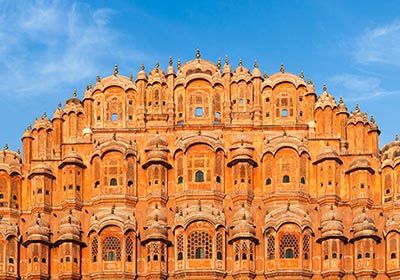
JAIPUR: Amber Fort Palace, City Palace, Jantar Mantar (Observatory) & Hawa Mahal (Palace of Winds)
FATEHPUR SIKRI: Akbar’s Residential Complex, Jama Masjid & Tomb of Salim Chishti
AGRA: Taj Mahal, Agra Fort, Sikandara
GWALIOR: Gwalior Fort, Jai Vilas Palace
ORCHHA: Orchha Fort Complex, Jahangir Mahal, Raj Mahal, Ram Raja Temple
KHAJURAHO: Western Group of Temples including Kandariya Mahadeo & Chaunsat Yogini
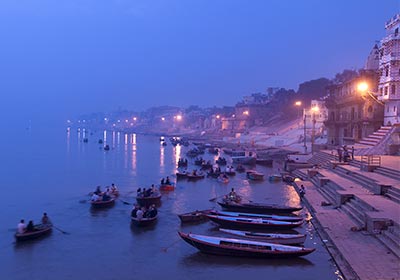
VARANASI: Excursion to Sarnath, Boat Ride on the Ganges & exploration of ghats
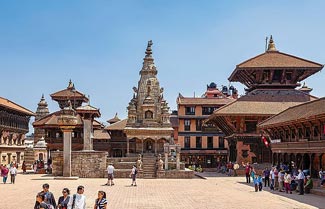
KATHMANDU: Kathmandu Durbar Square, Swayambhunath, Boudhnath & Patan City
Day 01: Arrive Delhi
On arrival in Delhi, you are assisted and transferred to your hotel. Delhi is a fascinating metropolis that blends ancient history with modern development. The city has been the seat of power for several dynasties and is believed to encompass legendary cities such as Indraprastha from the Mahabharata. Over centuries, rulers including the Delhi Sultans and the Mughal emperors shaped the city’s architectural heritage, culminating in Shah Jahan’s grand capital of Shahjahanabad.
In the early 20th century, New Delhi was designed by Sir Edwin Lutyens as a grand imperial capital, creating a striking contrast between Old Delhi’s bustling lanes and New Delhi’s wide boulevards.
Overnight at hotel – Delhi
Day 02: Delhi
Today explore Old Delhi, beginning with Jama Masjid, the largest mosque in India, built in the 17th century by Emperor Shah Jahan. Continue through the vibrant lanes of Chandni Chowk, a historic marketplace that still retains its old-world charm. Visit the Red Fort, a UNESCO World Heritage Site and a symbol of Mughal power.
In New Delhi, visit Raj Ghat, the memorial to Mahatma Gandhi. Drive past India Gate, a war memorial, and view the President’s House. Continue to Humayun’s Tomb, a UNESCO-listed monument and a pioneering example of Mughal garden-tomb architecture. Conclude the day at Qutub Minar, the world’s tallest brick minaret and an outstanding example of Indo-Islamic architecture.
Overnight at hotel – Delhi
Day 03: Delhi – Jaipur
Travel to Jaipur, the capital of Rajasthan, famously known as the Pink City. Founded in 1727 by Maharaja Sawai Jai Singh II, Jaipur is renowned for its planned layout based on ancient architectural principles. The city reflects a rich heritage of valor, royal traditions, and vibrant culture.
Overnight at hotel – Jaipur
Day 04: Jaipur
Visit Amber Fort, an impressive hilltop fortress and palace complex that showcases a blend of Rajput and Mughal architecture. Continue to the City Palace, a magnificent complex of courtyards, museums, and royal residences. Explore Jantar Mantar, an astronomical observatory and UNESCO World Heritage Site, featuring instruments that remain remarkably accurate. Visit the iconic Hawa Mahal, built in 1799 to allow royal women to observe street life unseen through its intricately carved windows.
Overnight at hotel – Jaipur
Day 05: Jaipur – Agra via Fatehpur Sikri
Proceed towards Agra, stopping en route at Fatehpur Sikri, the former Mughal capital built by Emperor Akbar. This UNESCO World Heritage Site is noted for its well-preserved palaces, courtyards, and the revered tomb of Salim Chishti. Continue onward to Agra, once the heart of the Mughal Empire and home to some of India’s most celebrated monuments.
Overnight at hotel – Agra
Day 06: Agra
Visit the Taj Mahal, one of the Seven Wonders of the World and a UNESCO World Heritage Site, built by Emperor Shah Jahan in memory of his wife Mumtaz Mahal. Continue to Agra Fort, a vast red sandstone fortress that served as a royal residence for generations of Mughal rulers. Later visit Sikandara, the mausoleum of Emperor Akbar, reflecting a harmonious blend of architectural styles.
Overnight at hotel – Agra
Day 07: Agra – Gwalior – Orchha
Proceed to Gwalior, known for its dramatic hilltop fort and the elegant Jai Vilas Palace, which offers insight into the grandeur of the Scindia dynasty. Continue onward to Orchha, with a stop to view the white Jain temples of Sonagiri, renowned for their serene setting and spiritual significance.
Overnight at hotel – Orchha
Day 08: Orchha – Khajuraho
Explore Orchha, a medieval town set along the Betwa River. Visit the Orchha Fort complex, including Jahangir Mahal, Raj Mahal, and the unique Ram Raja Temple, where Lord Rama is worshipped as a king. Later continue to Khajuraho, famed for its exquisite temples built by the Chandela dynasty between the 10th and 11th centuries and recognized as a UNESCO World Heritage Site.
Overnight at hotel – Khajuraho
Day 09: Khajuraho – Varanasi
Visit the temples of Khajuraho, celebrated for their intricate stone carvings depicting mythology, daily life, and spiritual themes. Later proceed to Varanasi, one of the world’s oldest continuously inhabited cities and a major spiritual center for Hinduism and Buddhism. In the evening, witness the mesmerizing Ganga Aarti ceremony along the riverbanks.
Overnight at hotel – Varanasi
Day 10: Varanasi
Begin the day with a sunrise boat ride on the River Ganges, observing morning rituals along the ghats as the city awakens. Explore the narrow lanes of the old city on foot. Later visit Sarnath, where Lord Buddha delivered his first sermon, and explore its important Buddhist monuments and museum.
Overnight at hotel – Varanasi
Day 11: Varanasi – Kathmandu
Travel to Kathmandu, the capital of Nepal, set in a valley surrounded by the Himalayan foothills. On arrival, transfer to your hotel and enjoy time at leisure.
Overnight at hotel – Kathmandu
Day 12: Kathmandu
Explore Kathmandu City, visiting Durbar Square, Pashupatinath Temple, and the historic Kasthamandap. Continue to Swayambhunath, the ancient hilltop stupa also known as the Monkey Temple, offering panoramic views of the valley. Visit Patan (Lalitpur), famed for its fine arts, temples, and traditional handicrafts.
Overnight at hotel – Kathmandu
Day 13: Kathmandu – Pokhara
Travel to Pokhara, a scenic lakeside city known for its natural beauty and views of the Annapurna range. The region is characterized by fertile valleys, tranquil lakes, and forested hills.
Overnight at hotel – Pokhara
Day 14: Pokhara
Enjoy sightseeing in Pokhara Valley, set at an average altitude of 900 metres. The area is divided by the Seti Gandaki River and offers breathtaking views of Annapurna, Dhaulagiri, and Machhapuchhare peaks. Pokhara is ideal for relaxation and nature appreciation.
Overnight at hotel – Pokhara
Day 15: Pokhara – Nagarkot
Proceed to Nagarkot, a popular hill station east of Kathmandu, situated at an altitude of approximately 2,175 metres. It is renowned for panoramic views of the eastern Himalayas and spectacular sunrise vistas on clear days.
Overnight at hotel – Nagarkot
Day 16: Nagarkot – Kathmandu – Departure
After breakfast, return to Kathmandu, visiting Bhaktapur en route. Bhaktapur, also known as the City of Devotees, is celebrated for its medieval architecture, Durbar Square, Palace of 55 Windows, and beautifully preserved temples representing classic Nepali craftsmanship.
Tour concludes. We thank you for your patronage and look forward to welcoming you again.