
Overview
Kollam: The Cashew Capital of India
Cuddled between the eight-cornered Ashtamudi Lake and the Lakshadweep Sea lies the shimmering backwater world of Kollam. Once an important centre for the spice trade and a scenic gateway to the Kerala backwaters, Kollam today is the heartland of India’s cashew-processing industry, earning it the nickname “Cashew Capital of India.”
Earlier known as Desinganadu, the town enjoyed global fame even during the times of the Phoenicians and Romans. Ibn Battuta, the famous Moroccan explorer, had mentioned Kollam as one of the five major ports he visited during his 24-year journey in the 14th century. Kollam once also had a flourishing Chinese settlement, and Merchant Sulaiman of Siraf (Persia) described it as the only Indian port frequented by large groups of Chinese traders.
Following are the main attractions of Kollam:
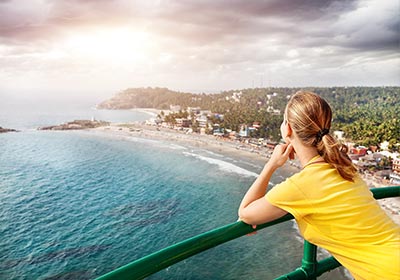
Thangasseri: Once a major Portuguese settlement, Thangasseri is a seaside village spread over 99 acres. The name literally means “gold village.” Located 5 km from Kollam town, it houses the ruins of old Portuguese forts built in 1517. A notable attraction here is the 112-year-old Thangasseri Lighthouse, offering a panoramic sea view. Visitors are allowed entry between 3:30 pm and 5:30 pm.
Sasthamkotta: Located 19 km from Kollam, Sasthamkotta Lake is a unique freshwater lake that neither freezes in winter nor dries up in summer. It is the primary source of drinking water for nearly 10 million people throughout the year, which is why mechanized boating is restricted. An ancient Sastha Temple on the lake’s banks attracts many Hindu pilgrims.
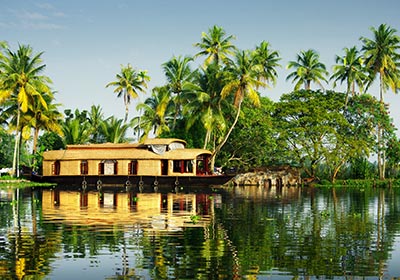
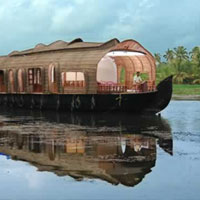 Ashtamudi Backwaters: Celebrated for their serene beauty, the Ashtamudi Backwaters form the second-largest lake in Kerala. “Ashtamudi” literally means “eight branches,” referring to the eight waterways that flow into the lake. Thick groves of coconut and palm trees add to the charm.
Munroe Village: Carved out by the waters of Ashtamudi Lake and the Kallada River, Munroe Village is a small island named after Colonel Munroe, a British resident of old Travancore. Known for its criss-cross canals, backwaters and vibrant birdlife, it is a paradise for nature lovers.
Puthenkulam Elephant Village: Visitors to Kollam should not miss the delightful elephant experiences offered at Puthenkulam Village. More than 10,000 travellers visit each year to spend time with elephants—feeding, bathing, and enjoying elephant rides and short treks.
Excursions from Kollam: Travellers can also visit nearby attractions such as Kulathupuzha (10 km), Thenmala (60 km) and Ariankavu (70 km).
Shopping in Kollam: Shopping in Kollam is a wholesome experience. The town is the hub of India’s cashew industry, offering some of the finest varieties of cashews. Visitors can also explore Kollam’s market for medicinal herbs, South Indian saris, and traditional jewellery, all of which reflect the region’s cultural and artistic heritage.
When to Reach: The best time to visit Kollam is between August and March when the weather is pleasant. Travellers can also visit during the Crafts Festival held in December–January, which showcases the work of master craftsmen from around the world. 
How to Reach:
Air: The Thiruvananthapuram International Airport at Valiyathura is the nearest airport, located about 65 km away.
Rail: Kollam is easily accessible by rail, with Kollam Junction being the second-largest railway junction in Kerala. Most major South Indian trains halt here.
Road: The city has an excellent road network. Buses operated by the Kerala State Road Transport Corporation (KSRTC) connect Kollam to all major cities in Kerala.