“There is a pleasure in the pathless woods,
There is a rapture on the lonely shore,
There is society, where none intrudes,
By the deep sea, and music in its roar:
I love not man the less, but Nature more”
- George Gordon Byron
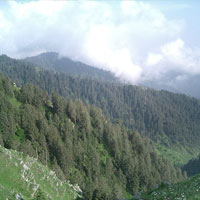
Nothing sums up Dalhousie better than Byron’s timeless words, reflecting the true charm of this scenic and tranquil destination. Known as a sought-after honeymoon destination in India, it is a blend of Tibetan culture and colonial heritage. Located in Himachal Pradesh, it is less crowded, serene, and highly appealing. Surrounded by oak and deodar trees, this exotic hill station is considered the best summer retreat in India.
Founded by Lord Dalhousie in 1854, it lies on the western side of the Dhauladhar Ranges, also called the Outer Himalayas. The town spreads across five low hills, starting from Kathalagh to Potreyn, followed by Terah, Bakrota, and Bhangora of the mighty Dhauladhar Ranges. The British architecture of old schools, bungalows, and monuments, exquisitely designed, reminds visitors of its colonial past.
History of Dalhousie reveals that the town was originally part of the erstwhile state of Chamba. At the time of British arrival, it was a remote area covered with virgin forests. In 1853, Lord James Ramsay, the Marquess of Dalhousie, discovered this enchanting hill station while searching for an ideal summer retreat. He purchased it from the King of Chamba, transforming Dalhousie from a hidden town to a thriving summer resort. It soon became the preferred retreat for the British, who sought refuge from India’s scorching summers.
Do not miss trekking to Dain Kund, the highest point in Dalhousie, from where you can view the entire town. Also, enjoy shopping at Gandhi Market for a delightful experience.
Following are the main travel attractions of Dalhousie:
St. Francis Church
This landmark of Dalhousie Tourism is a Catholic church built in 1894 and maintained by the Catholic Diocese of Jalandhar. Despite being over 119 years old, its exquisite stained-glass windows and vibrant interior are highly appealing. The stonework of the exterior reflects Victorian architecture. It is located about a kilometre from the main town.
Bakrota Hills
A visit to Bakrota Hills is a must. From here, travelers can enjoy panoramic views of the surrounding mountain ranges and countryside. The valley is blanketed with thick deodar trees, and a walk through the hills offers a fulfilling and refreshing experience.
Panjpulla
Panjpulla, also called Panchpula, features a natural tank and flowing water under small bridges, from which it gets its name. On the way to Panjpulla, Satdhara Springs offers sparkling water believed to have medicinal properties. Panchpula stream serves as a primary water source for Dalhousie and Balloon. The site also features a monument dedicated to freedom fighter Ajit Singh.
 Jandri Ghat
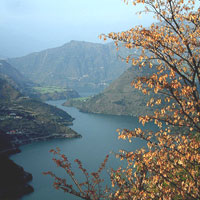
Jandri Ghat is a popular picnic spot in Dalhousie. Its main attraction is a magnificent palace nestled among towering pine trees. Before British rule, the Kings of Chamba ruled from this palace. Visitors can view various trophies in the palace, which has now been converted into a hotel, further boosting tourism in Dalhousie.
St. Andrew's Church
Built in 1903 by Protestant Christians, also known as the Church of Scotland, this church features beautiful architecture that reflects Scottish design, giving travelers a glimpse of Scotland in India.
St. Patrick's Church
Located on Military Hospital Road, this is the largest church in Dalhousie. Constructed in 1909, it can accommodate approximately 300 people at a time.
Kalatop
Kalatop offers breathtaking panoramic views of hills, fields, forests, and mountains. Traveling through its smooth and rugged landscapes, one can even see vistas extending toward Jammu and Kashmir.
Excursions from Dalhousie
Travelers can visit nearby destinations such as Dainkund (10 km) and Chamba (56 km).
Shopping in Dalhousie
Shoppers can explore the Tibetan Market and Himachal Handloom Industry Emporium for handicrafts, bags, dolls, carpets, purses, Kashmiri shawls, paintings, and candles.
 When to Reach
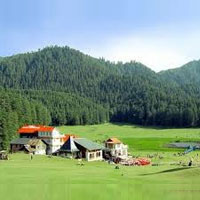
The ideal time for a trip to Dalhousie is March to June and September to November. New Year celebrations here are lively, adding an infectious festive spirit to the hill station.
How to Reach:
Air: The nearest airport is at Gaggal, 132 km from Dalhousie.
Rail: The nearest railway station is Pathankot (78 km), connected to major Indian cities like Delhi and Lucknow.
Road: Dalhousie is well connected by road to Pathankot, Amritsar, Chandigarh, Delhi, Dharamsala, Jalandhar, Jammu, Manali, and Shimla.
Enjoy the serene ambiance of Dalhousie Tourism, the magic of misty surroundings, and the healing power of nature. Here, life slows down and rejuvenates the soul. Experience the very best of nature’s creativity.