

Duration: 19 Days - 18 Nights
Places Covered: Shillong – Kaziranga – Kohima – Touphema – Kipfiizha – Dziikuo Valley – Kohima – Khonoma – Kohima – Jorhat – Sivasagar – Jorhat – Majuli – Guwahati
Day 01: Shillong – Arrival
Arrival at Guwahati and drive to Shillong. En route visit Umiam Lake, surrounded by forested hills. Check in at hotel. Overnight in Shillong.
Day 02: Cherrapunjee – Caves & Waterfalls
Drive to Cherrapunjee to explore Krem Mawmluh Cave, one of India’s longest cave systems. Visit the region’s famous waterfalls and nearby living root bridges. Overnight in Cherrapunjee.
Day 03: Double Decker Living Root Bridge
Morning trek to the Double Decker Living Root Bridge, an outstanding example of indigenous Khasi bio-engineering. Evening at leisure with views of the Khasi Hills and Bangladesh plains. Overnight in Cherrapunjee.
Day 04: Cherrapunjee – Shillong
Drive back to Shillong. En route visit Elephant Falls and Shillong Peak for panoramic views. Overnight in Shillong.
Day 05: Shillong
Local sightseeing in Shillong, often called the “Scotland of the East,” known for its colonial-era charm and Khasi cultural heritage. Overnight in Shillong.
Day 06: Shillong – Kaziranga
Drive to Kaziranga National Park, a UNESCO World Heritage Site famous for its population of one-horned rhinoceros. Overnight near the park.
Day 07: Kaziranga National Park
Wildlife exploration of Kaziranga’s central ranges by authorized safari vehicles, offering opportunities to see rhinos, elephants, swamp deer, and diverse birdlife. Overnight near the park.
Day 08: Kaziranga – Kohima – Touphema
Drive to Kohima and continue to Touphema Village Resort, managed by the Angami Naga community. Experience village life and traditional architecture. Overnight at Touphema.
Day 09: Touphema – Kohima (Hornbill Festival)
Drive to Kohima to attend the Hornbill Festival (held annually from 1–10 December), celebrating the cultural heritage of Naga tribes through dances, music, crafts, and cuisine. Visit the World War II Cemetery and the Nagaland State Museum. Continue to Kipfiizha village. Overnight at Dimori Cove.
Day 10: Kipfiizha – Dziikuo Valley
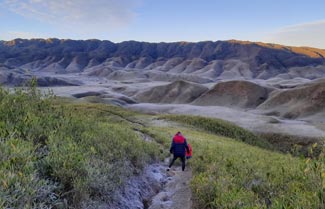
Drive to the trek point and hike to Dziikuo (Dzukou) Valley, located at approximately 2,438 metres in the Japfu range. Known for rolling grasslands, seasonal flowers, and scenic streams, the valley is one of Northeast India’s most admired trekking destinations.
Overnight in basic accommodation/tents.
Day 11: Dziikuo Valley – Kipfiizha
Morning exploration of the valley followed by trek back to Kipfiizha. Evening visit to Hornbill Festival venues. Overnight at Dimori Cove.
Day 12: Kohima – Khonoma
Visit Khonoma, a historic Angami village and India’s first green village, known for conservation efforts and traditional stone terracing. Return to Kohima. Overnight in Kohima.
Day 13: Kohima – Jorhat
Drive to Jorhat, Assam’s tea hub. Stay at the historic Thengal Mansion, offering insight into Assamese heritage and village life.
Day 14: Sivasagar
Excursion to Sivasagar, the former capital of the Ahom Kingdom. Visit Rang Ghar, Talatal Ghar, and other Ahom-era monuments. Return to Jorhat.
Day 15: Jorhat – Majuli
Travel to Majuli, one of the world’s largest inhabited river islands and an important center of Vaishnavite culture. Overnight on Majuli.
Day 16: Majuli
Visit major satras such as Kamalabari and Auniati, known for religious traditions, art, and mask-making. Evening cultural interaction. Overnight on Majuli.
Day 17: Majuli – Guwahati
Drive to Guwahati. Evening river cruise on the Brahmaputra, witnessing sunset over the river. Overnight in Guwahati.
Day 18: Guwahati
Visit Sualkuchi, renowned for Assam silk including Muga and Eri. Continue to Hajo, an important multi-faith pilgrimage center. Rest of the day at leisure.
Day 19: Departure
Tour concludes. Thank you for travelling with us.